“In love we learn who we want to be; in war we learn who we are.” – Kristin Hannah, The Nightingale
This is the opening line in a historical fiction novel I started reading this week. I was intrigued and paused to think about this statement for a while, to consider why it rang so instantly true. The narrative of the book is set in wartime, so of course the context is that tragedy brings out the worst and best in people. I guess it’s the first half of the statement that grabbed my heart.
Love is an ideal. Many great writers, teachers, and speakers apologize for using the word “love” to explain anything, because they say it is overused, misused, watered down and abused. Yeah. I know. But I’m not going to stop using it, because I think we still believe in it. We know what we mean when we say “love.” No excuses. No mystery.
The real mystery is our tendency to go against the flow of love so easily when it is our truest nature by God’s design.
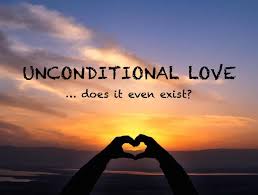
Context is everything. You don’t love chocolate, a song, or a team the way you love your loved ones, or yourself, or God. And loving yourself opens another complex perspective that can be good or bad depending on where you are on the narcissistic spectrum. But my favorite context for the word love is from I John 4:7, “God is love.” God’s love is agapé love, the kind that created a beautiful world and people on whom that love is lavished. Unconditional love. Now that I think about it, it may be the word “unconditional” that we don’t understand.
Love has a curious way of exposing the war within. You say you love someone unconditionally and then the moment comes when they defy your sense of fairness for how they should love you in return. There is a “what about me” war going on in us, aka selfishness and self-seeking. We are not naturally “go the extra mile” kind of people. We are quick to calculate our generosity and draw the line if love asks too much of us. And dear loving friends, hurt people are going to ask too much of you sometimes. But don’t lose heart.
“In love we learn who we want to be.” To be in Christ is to be in love (not romantically, but in our spirit’s posture). When you participate in church and the fellowship of this community of faith, you are putting yourself in love’s way, or where love is. We are becoming what we want to be.
Love,
Pastor Kim